
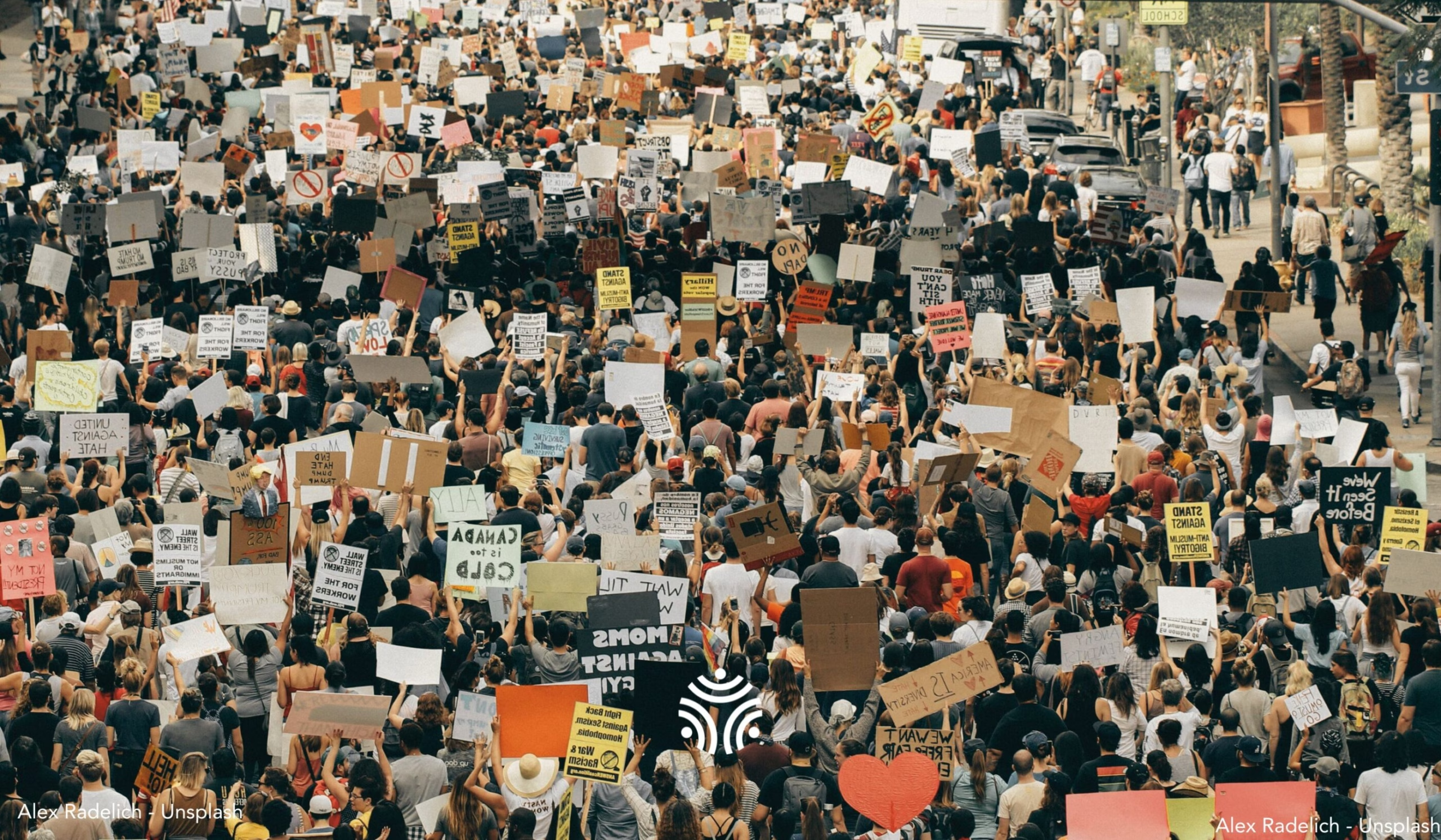
Young people play a vital role in the success and future of democratic societies. As new generations become eligible to vote, they bring fresh perspectives, innovative ideas, and a strong desire for change. Their participation in elections not only influences political outcomes but also helps shape public policies that affect education, employment, healthcare, climate change, technology, and social justice.
Understanding the role of youth in shaping democratic elections is essential for recognizing how active civic engagement strengthens democracy and contributes to long-term national development.

Why Youth Participation Matters
In many countries, young voters make up a significant portion of the population. Their collective voice has the power to influence election results and encourage political leaders to address issues that matter to younger generations.
- Strengthen democratic institutions.
- Promote political accountability.
- Encourage inclusive policymaking.
- Bring new ideas into public discussions.
- Help ensure that future-focused issues receive attention.
A healthy democracy depends on citizens of all ages participating in the electoral process, and young people are an essential part of that equation.
Voting Is the Foundation of Democracy
Voting is one of the most direct ways young people can participate in democracy. Every vote contributes to selecting representatives who will make decisions on behalf of the public.
By casting informed votes, young citizens can influence policies related to:
- Education and skill development
- Employment opportunities
- Digital innovation
- Environmental protection
- Public healthcare
- Economic growth
When youth voter turnout increases, elected leaders are often more likely to consider the priorities and concerns of younger generations while developing policies.
Raising Awareness Through Digital Platforms
Technology has transformed how young people engage with politics. Social media platforms, podcasts, online forums, and educational websites make political information more accessible than ever before.
Young citizens often use digital platforms to:
- Learn about political issues.
- Follow election campaigns.
- Discuss public policies.
- Encourage voter registration.
- Promote civic participation.
Digital communication also allows individuals to share diverse perspectives, participate in debates, and stay informed about current events.
However, it is equally important to verify information from reliable sources and avoid spreading misinformation.
Youth as Agents of Positive Change
Young people often bring enthusiasm, creativity, and optimism to political discussions. They are more likely to advocate for long-term solutions to challenges that will shape the future.
Common issues that receive strong youth engagement include:
- Climate action
- Affordable education
- Employment opportunities
- Technology and innovation
- Gender equality
- Human rights
- Sustainable development
Their active participation encourages governments to consider policies that address both current and future societal needs.
Civic Engagement Beyond Voting
Democratic participation extends beyond election day. Young people contribute to democracy in many meaningful ways throughout the year.
Examples include:
- Volunteering in community initiatives.
- Participating in public consultations.
- Joining youth organizations.
- Attending town hall meetings.
- Engaging in peaceful discussions.
- Supporting voter awareness campaigns.
These activities help strengthen civic responsibility and promote active citizenship.
The Importance of Political Education
An informed voter is an empowered voter. Political education helps young citizens understand:
- How democratic institutions function.
- The importance of elections.
- The responsibilities of elected representatives.
- Citizens’ rights and responsibilities.
- Public policy decision-making.
Schools, universities, community organizations, and independent educational programs all play an important role in promoting civic literacy.
Better political understanding enables young voters to make informed decisions based on facts rather than misinformation or emotional appeals.
Encouraging Responsible Political Participation
Healthy democracies thrive when citizens participate respectfully and thoughtfully.
Young voters can contribute positively by:
- Researching candidates and policies.
- Respecting differing viewpoints.
- Engaging in constructive discussions.
- Fact-checking political information.
- Voting based on informed decisions.
Responsible participation helps create a more inclusive and balanced political environment where diverse opinions can be heard.
Challenges Facing Young Voters
Despite their growing influence, many young people face obstacles that may limit political participation.
Some common challenges include:
- Lack of political awareness.
- Low voter turnout.
- Limited access to reliable information.
- Political polarization.
- Distrust in public institutions.
Addressing these challenges requires collaboration among educational institutions, governments, civil society organizations, media, and communities to encourage informed civic engagement.
Building the Leaders of Tomorrow
Today’s young voters are tomorrow’s policymakers, entrepreneurs, educators, and community leaders. Participating in democratic processes early in life helps develop leadership skills, critical thinking, and a deeper understanding of public service.
Many future political leaders begin their journey by:
- Volunteering in local campaigns.
- Participating in student government.
- Joining civic organizations.
- Advocating for community improvements.
These experiences prepare young people to contribute meaningfully to society throughout their lives.
The Future of Democracy Depends on Youth
As societies continue to evolve, young people will play an increasingly important role in shaping democratic systems. Their perspectives on technology, sustainability, innovation, and global cooperation will influence future policymaking and governance.
Governments and institutions that encourage youth participation benefit from broader representation and fresh ideas that reflect changing social and economic realities.
Empowering young citizens through education, civic engagement, and opportunities for meaningful participation strengthens democracy for generations to come.